
BIBA leather
A material that improves with time
Our tannery
Artisan production since the 70s
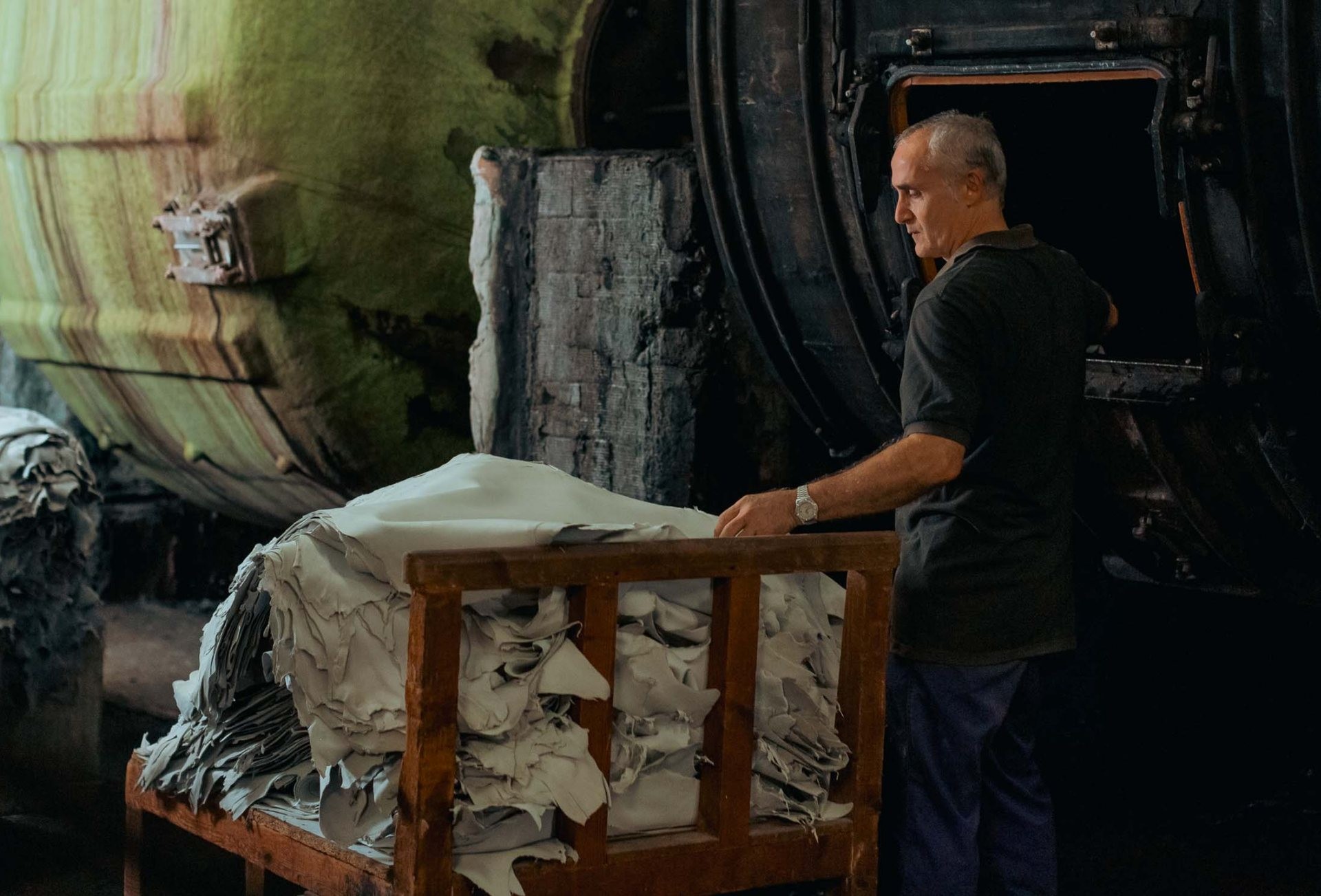
Our tannery, operating since the 70s, is dedicated to the artisan production of sheep and bovine hides. Leather has historically accompanied us as a natural and necessary resource, which is why our commitment is to recover that essence and encourage a return to origins through a genuine and memorable raw material.
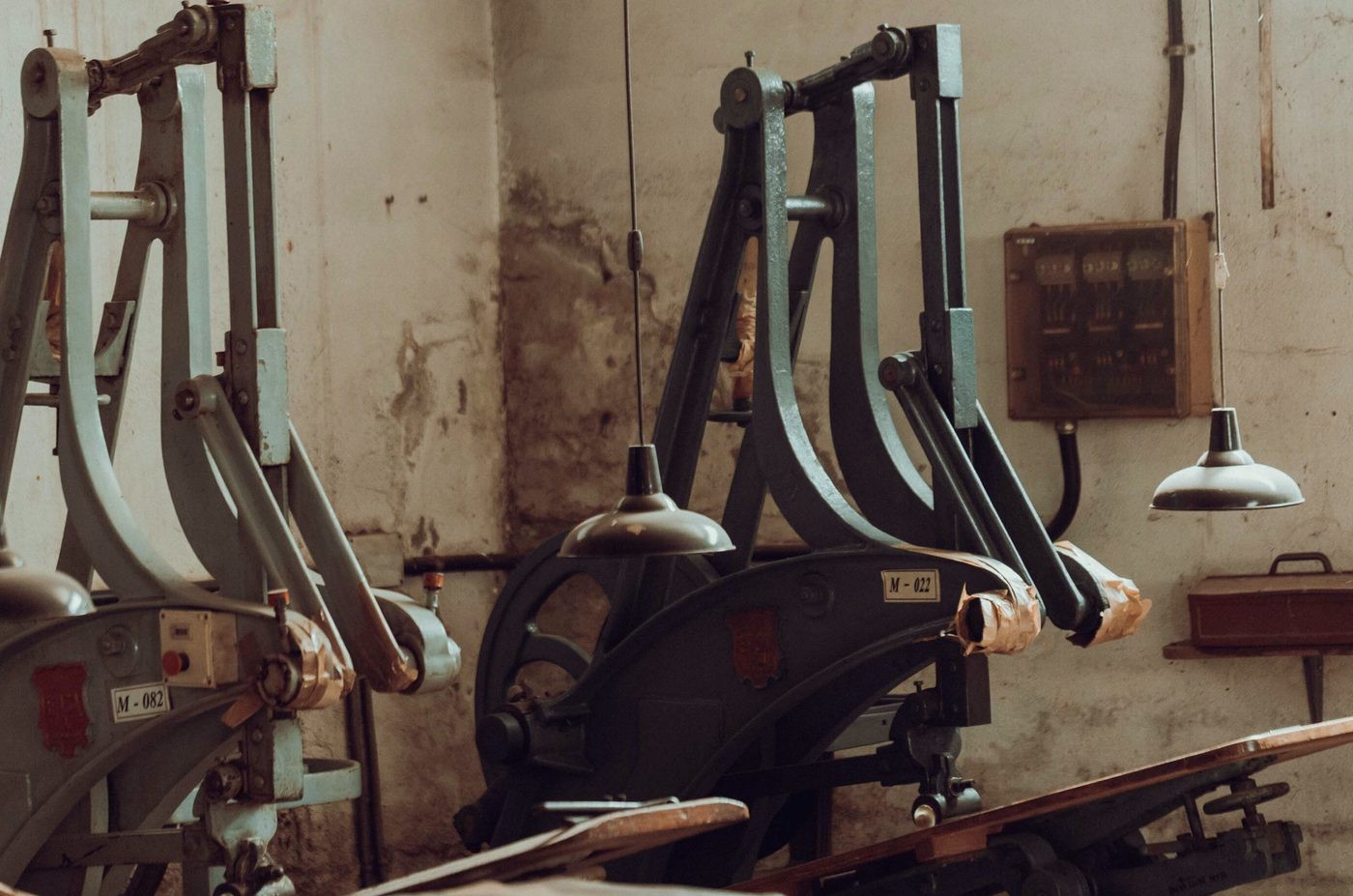
Our purpose: making this authentic and time-honoured material accessible to more people.
Artisan process
Craftsmanship, hide by hide
Our hides are washed and treated by hand. Each hide reacts differently to its treatment, which is why we achieve unique results in every process.
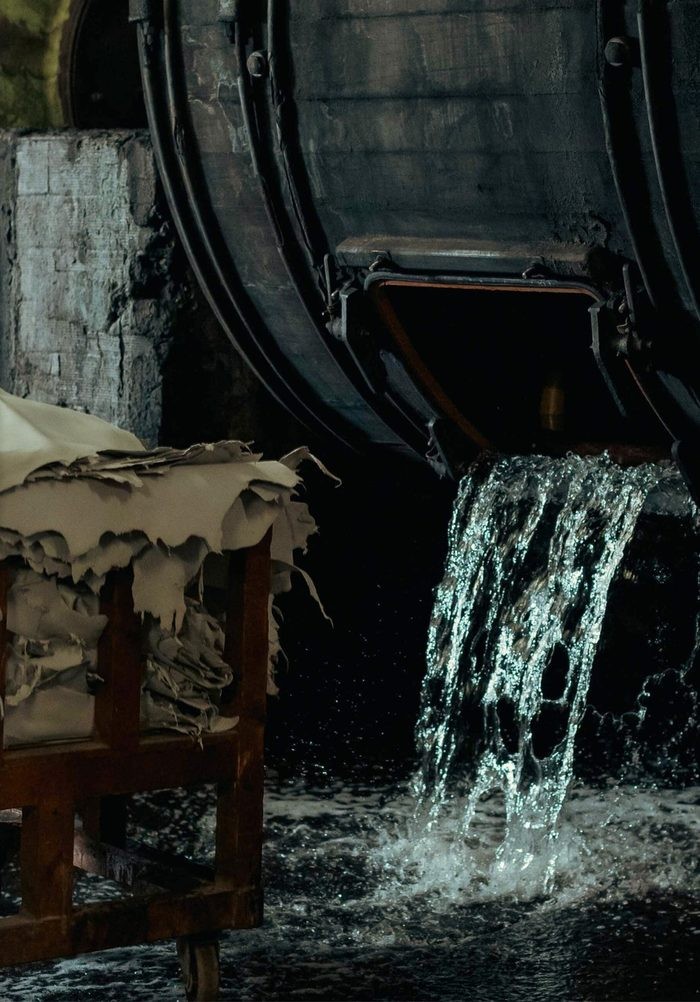
Washing and soaking
The hides are carefully washed and soaked to remove impurities and prepare them for tanning.
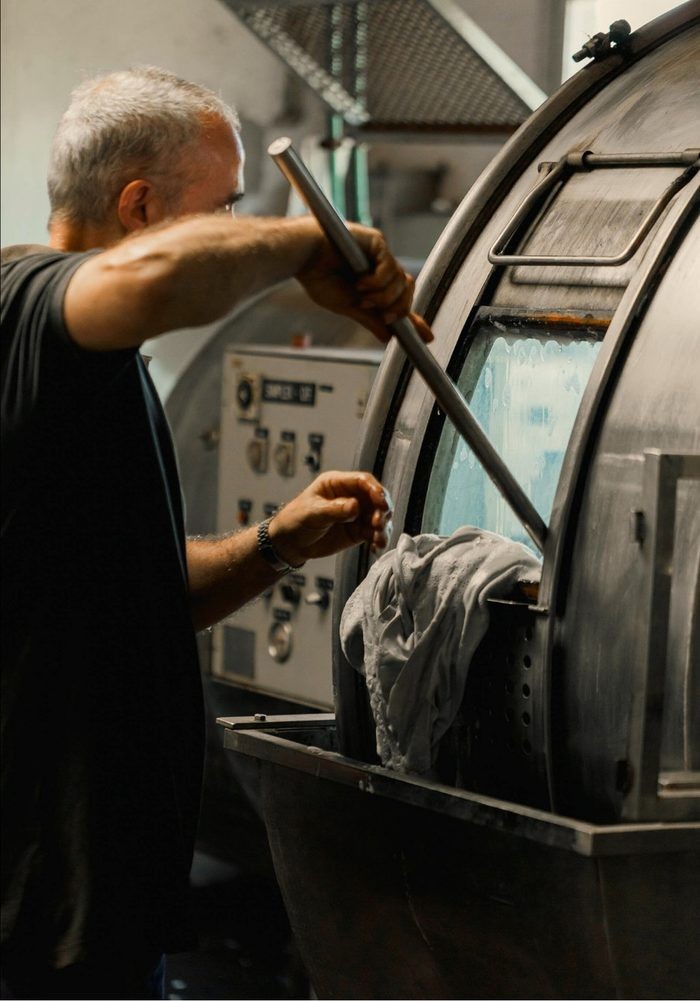
Dyeing
The hides are dyed to achieve deep colour that lasts, and that continues to develop with wear.
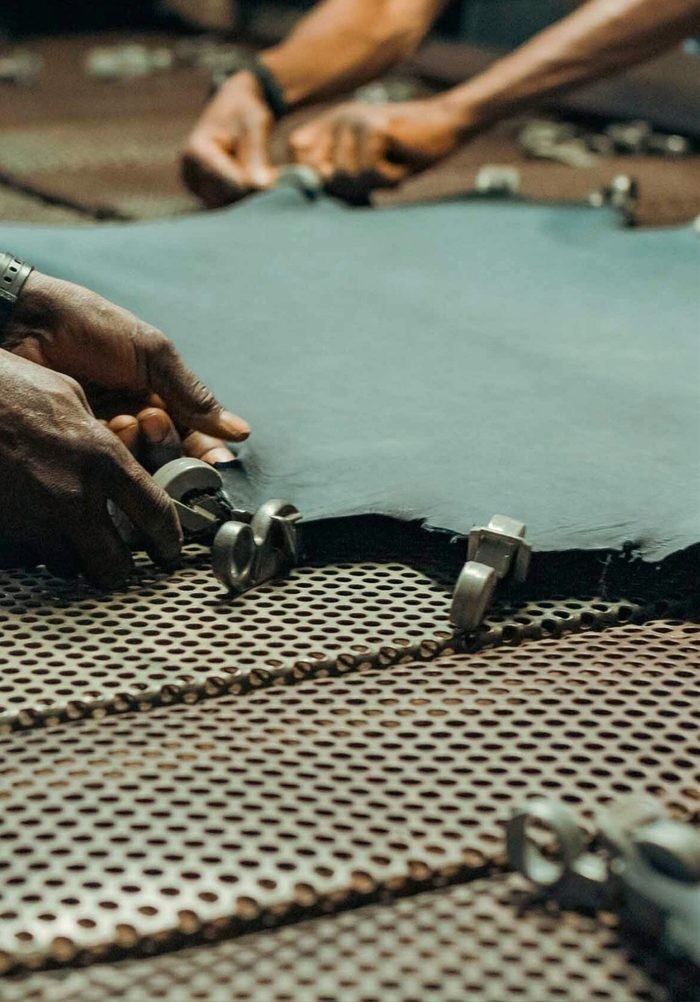
Trimming and tanning
The hides are precisely trimmed and tanned — the process that turns them into a durable, flexible material. We also use vegetable tanning for most of our hides.
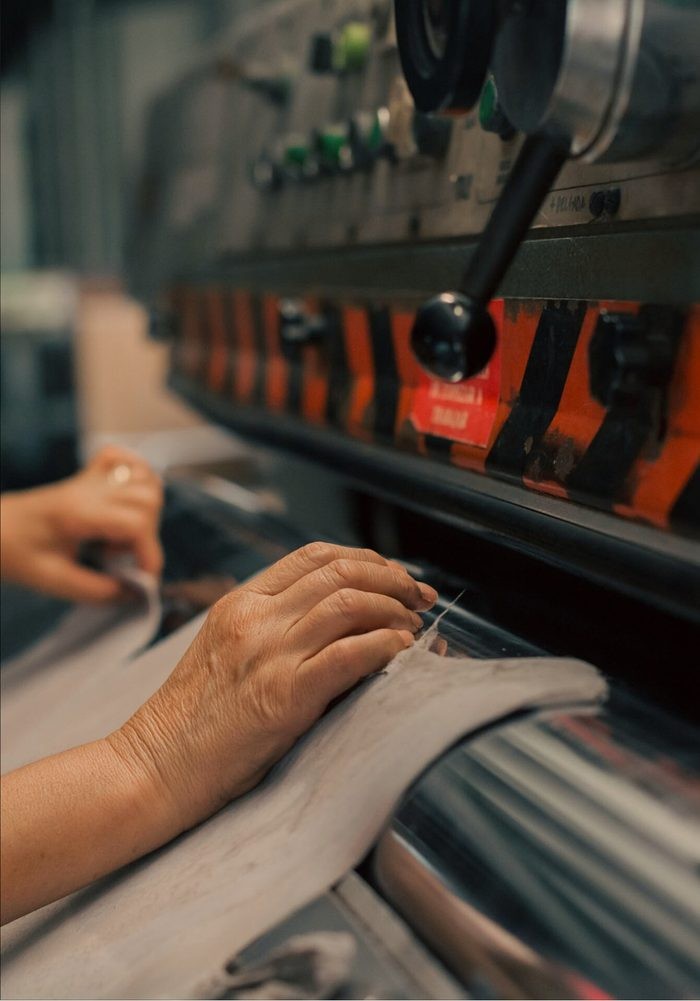
Finishing
The final finishing gives each hide its characteristic texture, sheen and feel; a process that takes experience and an artisan's judgement.
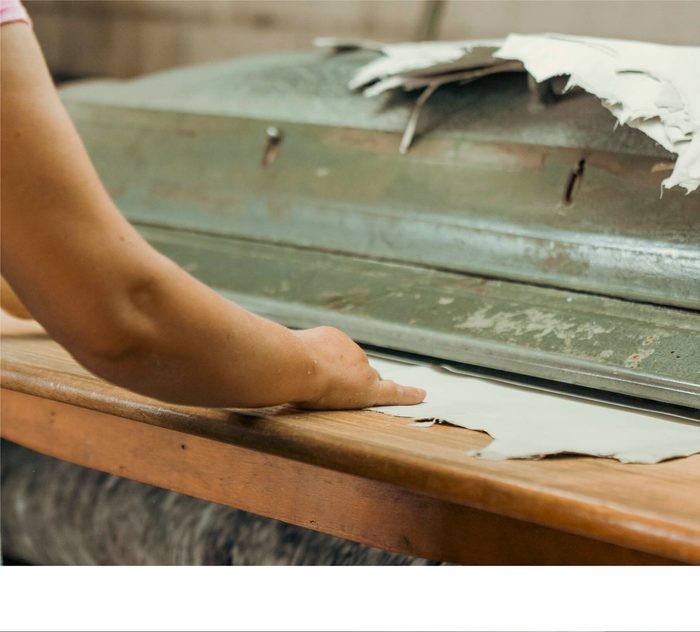
Quality control by hand
Every hide is inspected by hand, so that only the best material reaches our products.
Patina
Your bag will not stay the way you bought it
Because each hide is washed and treated individually, no two pieces are identical. The grain, the depth of the colour and the way light sits on the surface differ from bag to bag — the piece you choose is genuinely the only one like it.
With use, the surface settles and the colour deepens. The places you hold most often grow smoother and darker. Small marks from daily life stop reading as damage and start reading as history.
This is the difference between leather and a coated material: one records how you have lived with it, the other simply wears out.
Care
Looking after leather in Hong Kong
Humidity, not use, is the real test for leather here. A little care through the summer months keeps a bag for years.
- Let it breathe. Store bags with air around them rather than sealed in a plastic bag — trapped moisture is what grows mould.
- Keep the inside dry. A dry cloth or a silica sachet inside the bag makes a real difference from May to September.
- Blot rain, never heat. Pat a wet bag dry with a soft cloth. A hairdryer or direct sun will stiffen the leather and can crack it.
- Dry slowly. Let a soaked bag dry at room temperature, loosely stuffed so it holds its shape.
- Expect it to darken. Deepening colour is the material behaving correctly — not a fault.
Bags with sense and meaning
Discover the collections